
By Shazia Akhtar | 11/05/2026
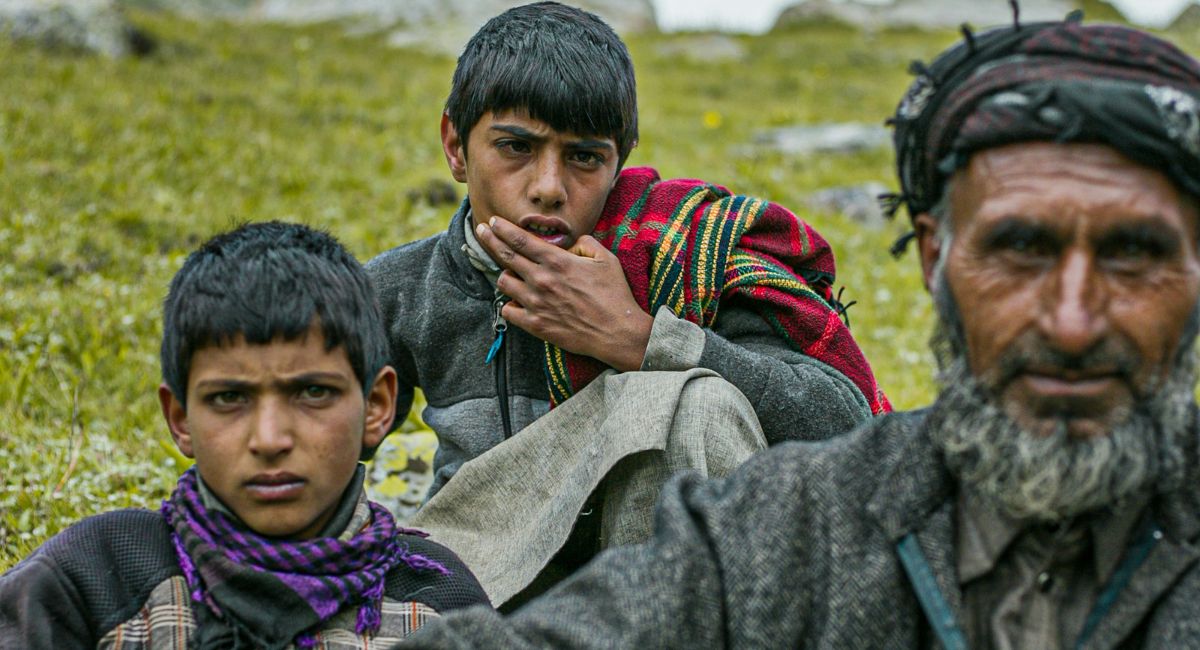
In the misty valleys and towering mountains of Jammu and Kashmir, a centuries-old tradition continues to thrive—one that harmonizes human survival with nature’s delicate balance. The Gujjar and Bakarwal communities, nomadic pastoralists of the region, have safeguarded biodiversity through their sustainable way of life. But as modernization and environmental challenges close in, their wisdom is at risk of fading into history. Can we afford to ignore the lessons they offer?
Their seasonal migrations, dictated by the rhythm of nature, form a remarkable system of land management. Unlike modern intensive grazing that depletes pastures, their transhumant grazing cycle allows land to rest and regenerate naturally. As they traverse rugged landscapes, their livestock helps aerate the soil, promoting healthy plant growth—an ancient ecological balance that scientists now study as a model for sustainable land use. If mainstream agriculture had embraced such practices earlier, could we have avoided some of today’s environmental crises?
Beyond their expertise in animal husbandry, the Gujjars and Bakarwals are keepers of a treasure trove of herbal medicine. In a world increasingly dependent on pharmaceuticals, they still rely on the healing power of nature. From curing infections with wild herbs to treating livestock ailments without chemicals, their knowledge of plant-based medicine is an untapped goldmine. As global interest in sustainable healthcare grows, researchers are beginning to acknowledge what these communities have known for generations—that nature itself is the best pharmacy.
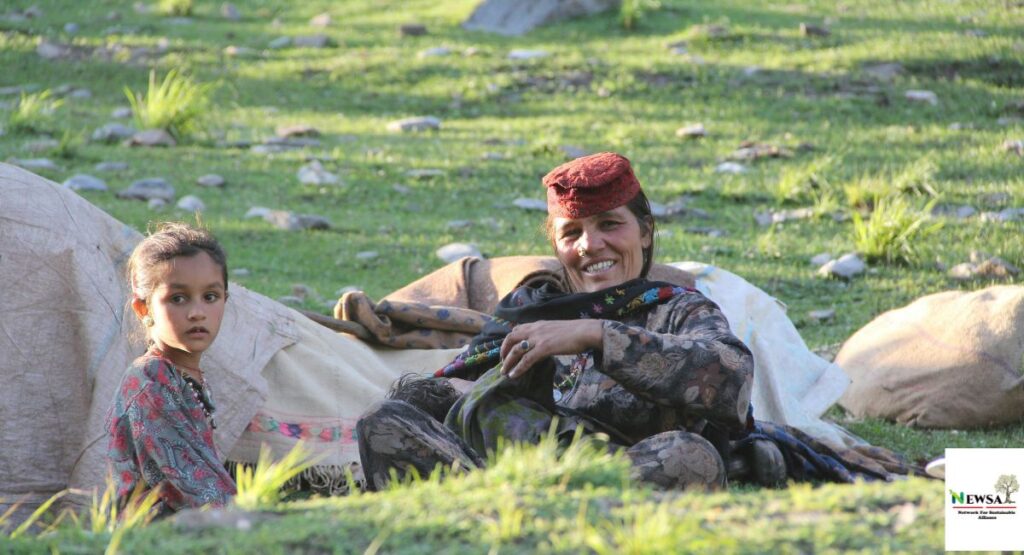
Even their homes reflect their deep environmental consciousness. The “kothas” and “dhoks” they build each season are not just shelters; they are a statement of sustainable living. Made from locally sourced mud, wood, and thatch, these dwellings require no artificial insulation and naturally blend into the environment, leaving no lasting impact on the land. Could such indigenous architectural wisdom inspire future eco-friendly housing projects?
Their connection with nature is not just about survival it is a way of life. Their folk songs tell tales of lush meadows and whispering rivers, their traditions teach respect for the land, and their conservation ethics are embedded in their culture. Unlike modern conservationists who rely on policies and regulations, these communities have protected forests and wildlife for generations simply through their lifestyle. Yet, they now face existential threats—climate change is shifting their migratory routes, deforestation is shrinking their grazing lands, and socio-economic barriers are pushing them to abandon their traditional ways.
As the world grapples with climate change and environmental degradation, perhaps the solution has been in front of us all along. The Gujjar and Bakarwal way of life offers a blueprint for sustainability, a reminder that living in harmony with nature is not a concept of the past but a necessity for the future. The real question is: Will we recognize their knowledge before it’s too late?